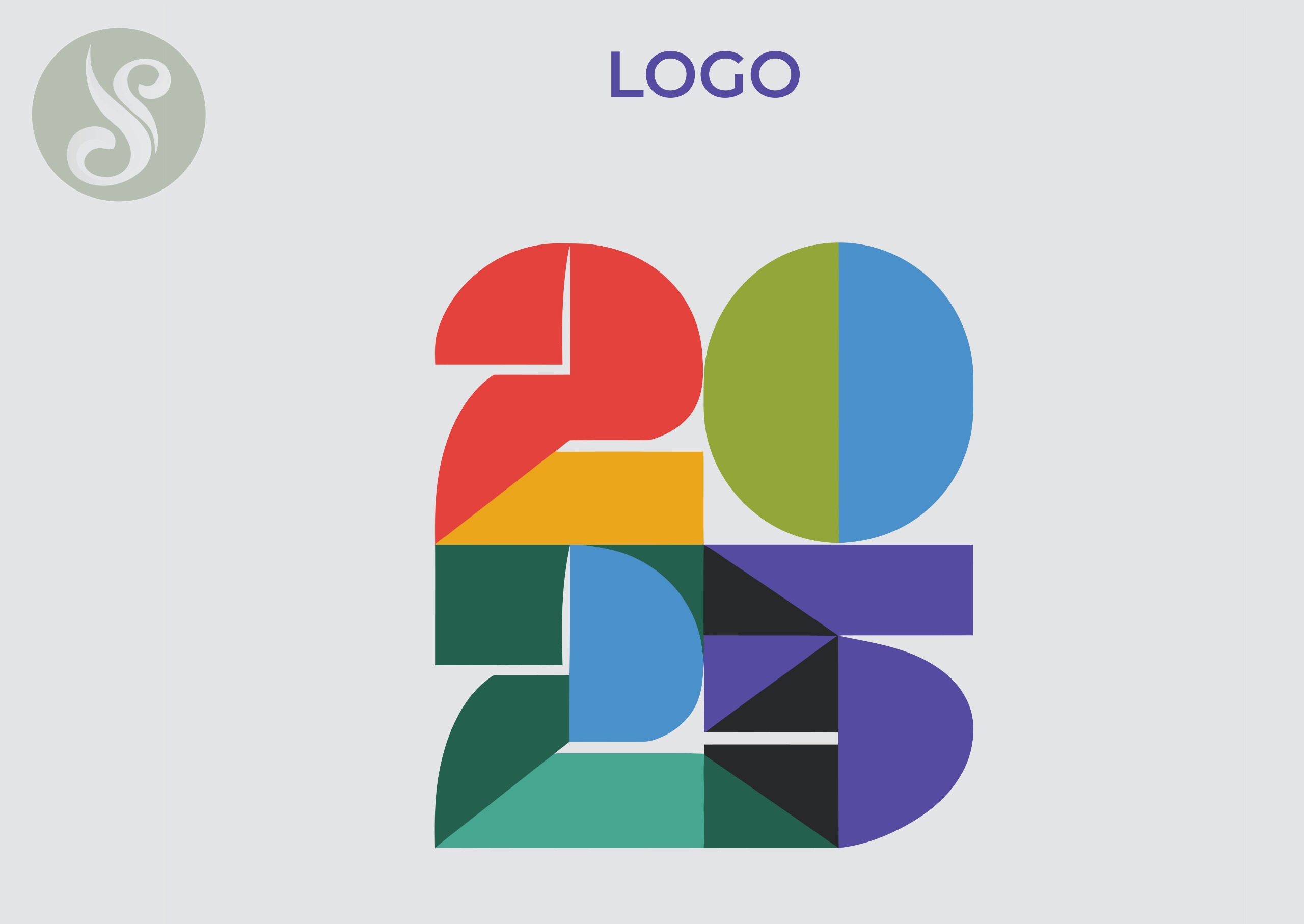
In the design world, change is the only constant. Logos—those tiny yet mighty symbols that carry the soul of a brand—are evolving at the speed of relevance. As we step into 2025, logo design is no longer just about aesthetics; it’s about cultural resonance, digital adaptability, and emotional connection.
At SUCHI DESIGN, where our work revolves around logo design, brand identity, motion graphics, and visual storytelling, we understand that a logo is not a one-time asset—it’s a living, breathing reflection of your brand in motion. This blog dives deep into what's trending, what's fading out, and what timeless principles will always keep your logo relevant.
Why Logo Trends Matter More Than Ever Logos in the Age of Rapid RebrandingStartups today pivot faster than ever, and brands are evolving to adapt to hyper-digital marketplaces. A flexible, future-ready logo can serve as the anchor that maintains visual consistency while businesses scale or shift direction.
Attention is Scarce—Design Must Be SharpYour logo often gets less than 3 seconds of attention in the digital scroll. Trends influence perception, and being outdated visually is almost as bad as being irrelevant functionally.
Cross-Platform SurvivalFrom mobile app icons and social media profile pictures to smartwatches and AR/VR experiences, your logo needs to thrive across different devices and environments.
What’s In – The 2025 Logo Design Trends Motion Logos: When Brands Move, So Should Their Logos-
Motion design isn’t just for videos anymore. Dynamic, animated logos that can respond to interaction or adapt visually to different screens are rising in popularity.
-
Real-World Example: Mastercard's recent dynamic logo design update added motion responsiveness for their mobile apps and virtual payment environments.
Kinetic Typography
-
Logos are becoming typographically expressive. Animated letterforms and kinetic text-based logos make the brand feel energetic and modern.
-
Trend Insight: Adobe After Effects templates and real-time rendering tools have made kinetic typography more accessible for designers and scalable for brands.
-
Gone are the harsh neon or flat tones; soft, overlapping gradients, gentle transparencies, and layered effects are creating depth without noise.
-
Why It Works: It’s modern, digital-friendly, and visually soothing—a balance between boldness and elegance.
Hyper-Personalized Logos for Dynamic Branding
-
With AI integration, some brands are creating adaptable logos that change slightly based on user behavior or data context.
-
Example: Spotify’s 2024 campaign introduced logo iterations that morphed depending on the listener’s activity or mood.
-
Geometric rigidity is making room for soft, flowing, and organic shapes that mimic nature—symbolizing adaptability and sustainability.
-
Design Angle: Brands like Airbnb and Figma have inspired a wave of designs where harmony meets minimalism in non-rigid structures.
Chapter 3: What’s Out – Trends Losing Ground in 2025
Over-Used Flat Designs Without Depth-
While flat design was revolutionary, over-simplicity is losing favor unless paired with motion or texture. Flat logos now risk appearing generic or uninspired.Overdone Serif Revivals
-
Many brands jumped on the serif nostalgia bandwagon in 2020–2023. In 2025, it’s less about reviving the past and more about evolving it.
-
Serif fonts remain, but they’re morphing—often custom-drawn, more expressive, and paired with sans-serif hybrids.
Excessive Badge or Emblem Styles
-
Retro badge-style logos, while rich in aesthetic, don’t scale well on mobile and feel too "artisanal" for modern tech-forward brands.
Copy-Paste Gradient Overlays
-
Gradient overload without intention is being replaced by more strategic use of color blending to tell a story, rather than decorate a shape.
Cluttered 3D Effects
-
The early AI design tools led to a flurry of 3D-inspired logos. But many of these lacked clarity and scalability, leading to visual fatigue.
-
Whether it’s Apple’s bite, Nike’s swoosh, or Suchi Design’s minimal aesthetic, simplicity wins. A logo should be easily memorable and instantly recognizable.
Versatility in All Environments
-
A strong logo must work in black & white, in large and tiny formats, on both digital and physical mediums. It must scale without losing meaning.
-
Logos that hold conceptual depth—something that tells your story—resonate better than those that simply look trendy.
-
Typeface selection is more than style; it’s about personality. Whether it's a bold uppercase sans-serif for tech startups or hand-crafted fonts for boutique brands—type is tone.
-
A great logo creates the foundation for a broader brand system: icons, headers, business cards, and digital banners. That consistency breeds trust.
-
The bold switch returned to a more classic shape but infused it with bolder type, modern contrast, and retro-futurism. It’s a masterclass in balancing heritage and future appeal.
-
Their logo has transitioned from a skeuomorphic camera to a vibrant gradient glyph. It reflects the evolution from photo-sharing app to cultural phenomenon.
-
Moving away from minimalist sans-serifs, Burberry reintroduced custom serif type that paid homage to British tradition with contemporary elegance.
-
Though met with some criticism, the icon unification under Google’s brand system was a strategic move for ecosystem branding—enhancing visual coherence.
-
AI tools like Looka and Tailor Brands now offer AI-assisted logos, making branding accessible to startups with tight budgets. While not a replacement for human creativity, they offer a jumpstart.
-
AI can help test which logo version performs better on digital campaigns using audience data—making your design more performance-backed.
-
Designers can now use generative AI for ideation, draft variations, and visual brainstorming, speeding up the design process without compromising originality.
We don’t start with a sketch—we start with your story. At Suchi Design, we believe a logo must emerge from purpose and positioning, not just palette and shape.
From Mockups to MotionWe bring your logo to life with digital mockups, interactive animations, and real-world scenarios—because presentation is half the persuasion.
Collaborative ExplorationOur process includes client collaboration, real-time iterations, and context testing across brand assets to ensure your logo works everywhere.
Beyond the LogoWe help you build an entire visual system: typography, iconography, color schemes, and visual metaphors—all derived from the core logo.
#suchidesign: Designing for Now, With Forever in MindLogo trends come and go, but great branding is timeless. At Suchi Design, we see trends not as rules, but as signals—guiding us to make your brand relevant, resonant, and ready for the future.
As we step into 2025, remember: your logo isn’t just what people see; it’s what they feel. And what they feel is what they’ll remember.
Ready to design a logo that lasts beyond the trend cycle? Let’s talk.